Roof Leak Repair in Irwindale from $200. Finding where the water gets in, not where the stain shows. Free inspection and a written quote.
Quarry dust changes leak-hunting here. Aggregate fines pack into valleys and around penetrations, hold moisture against the covering and hide the split you are looking for. Half the job is clearing the detail before anyone can see what actually failed.
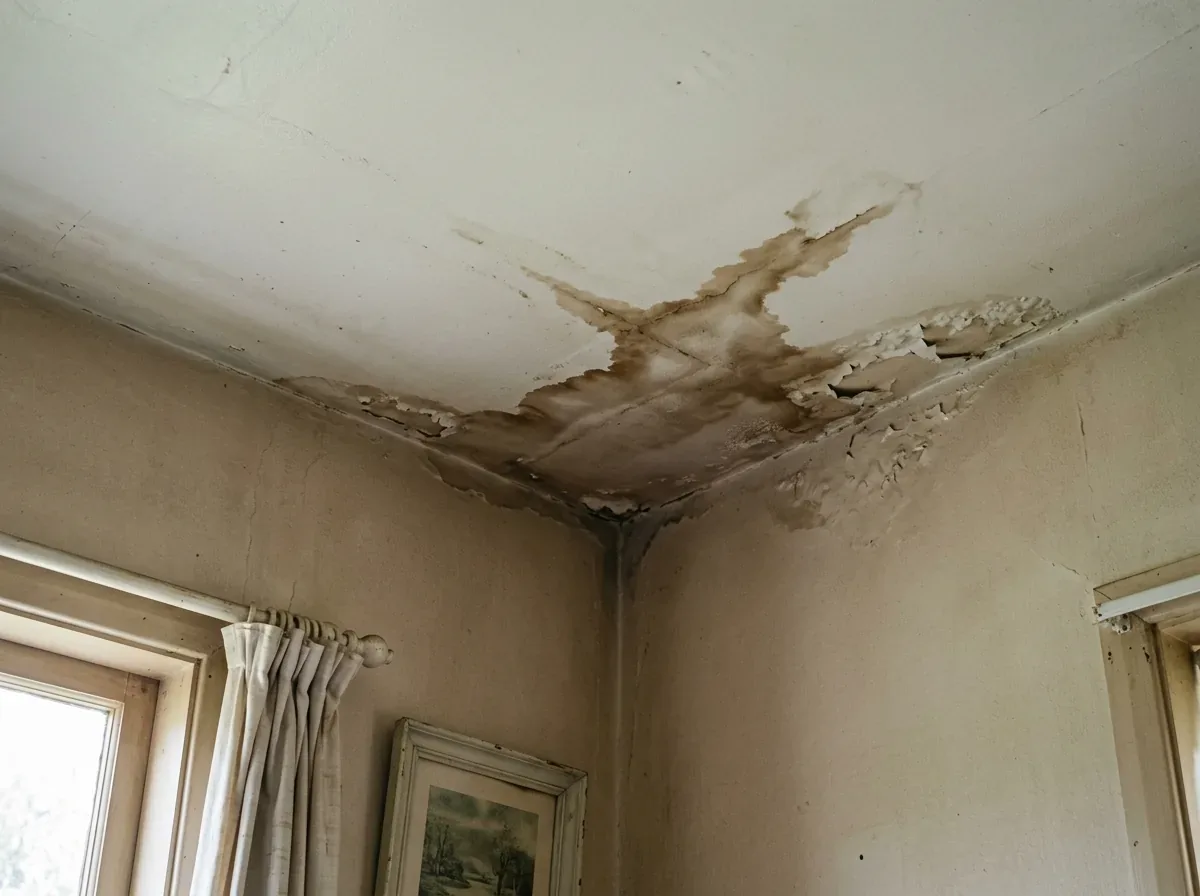
On a low-pitched San Gabriel Valley roof the entry point is almost never above the stain. Water runs along a rafter or the top of the ceiling and drops at the first low point it reaches, which can be several feet from where it got in.


Most leak repairs in Los Angeles County land between $350 and $1,500. Caught early, before the deck is wet, minor repairs start around $200 to $500. Irwindale is as likely to be a workshop, a yard building or a commercial low-slope roof as a house, and those are priced differently from residential work. Tell us which you have and the quote will mean something.
Calling at the first stain. A leak that has not reached the sheathing is a flashing job, not a carpentry job.
Wet decking, a second story, tile that has to be lifted to reach the detail, or an out-of-hours call.
If the same slope has been patched twice, we will say so and price the replacement instead of selling you a third patch.
Open ground until the mid-1950s, incorporated in 1957, and shaped ever since by aggregate mining.
A very small residential population beside one of the largest aggregate mining areas in the country -- seventeen gravel pits, over a billion tons extracted.
Dust is the local variable and it is not a small one. Airborne aggregate fines settle in valleys, gutters and around penetrations, hold moisture against the covering and block outlets far faster than in a residential-only city.
Gravel quarries have worked the rock, sand and pebbles along the San Gabriel River here since the early 1900s.
Including ours. There are enough door-knockers working this valley that the checks are worth making on anybody.
'Repair roof' is not a scope. 'Re-bed the valley, re-lap two upstands, replace the vent boot' is. The second can be checked when it is finished; the first cannot, which is the point.
A fire-rated assembly, a tear-off versus an overlay, and a sheathing allowance each move the price by thousands. A cheaper quote is sometimes a lesser roof rather than a better price.
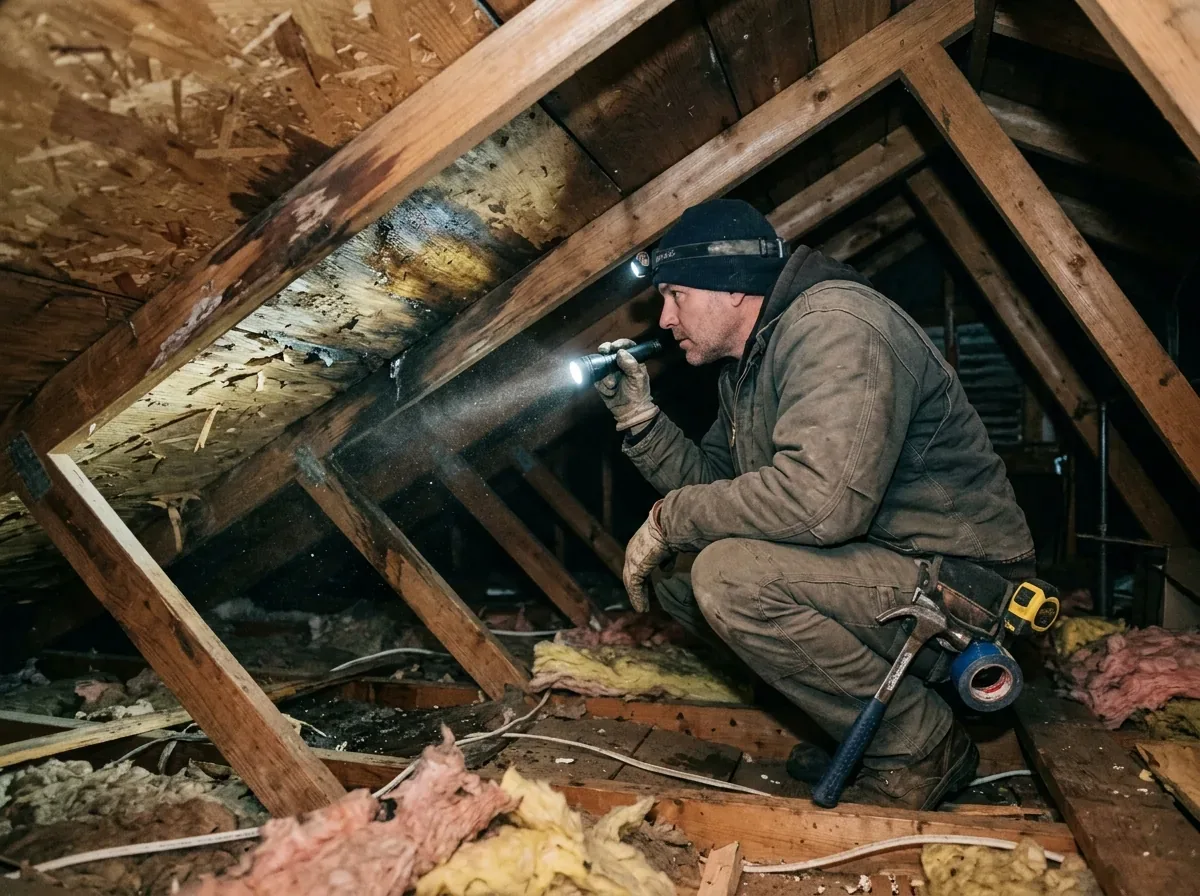
No price should be given without the roof and the attic being walked. We do not quote at the door, and we do not quote from a photograph alone.
What people ask about this work, answered plainly.
Usually not. Water gets in at a junction, runs along a rafter or the top of the ceiling, and drops at the first low point it reaches. On a low-pitch valley roof that can be several feet from the entry point, which is why the attic gets walked as well as the roof.
Yes, and it is the most useful symptom you can give us. A roof that leaks only in driving rain is usually failing at an upstand or a lap that is fine under vertical water, which narrows the search a long way before anyone gets on the roof.
Maybe, but get a second opinion before you sign anything, and never accept a price given at the door. Ask for a CSLB C-39 number and check it on the public register. That takes a minute and it is the single most effective thing you can do.
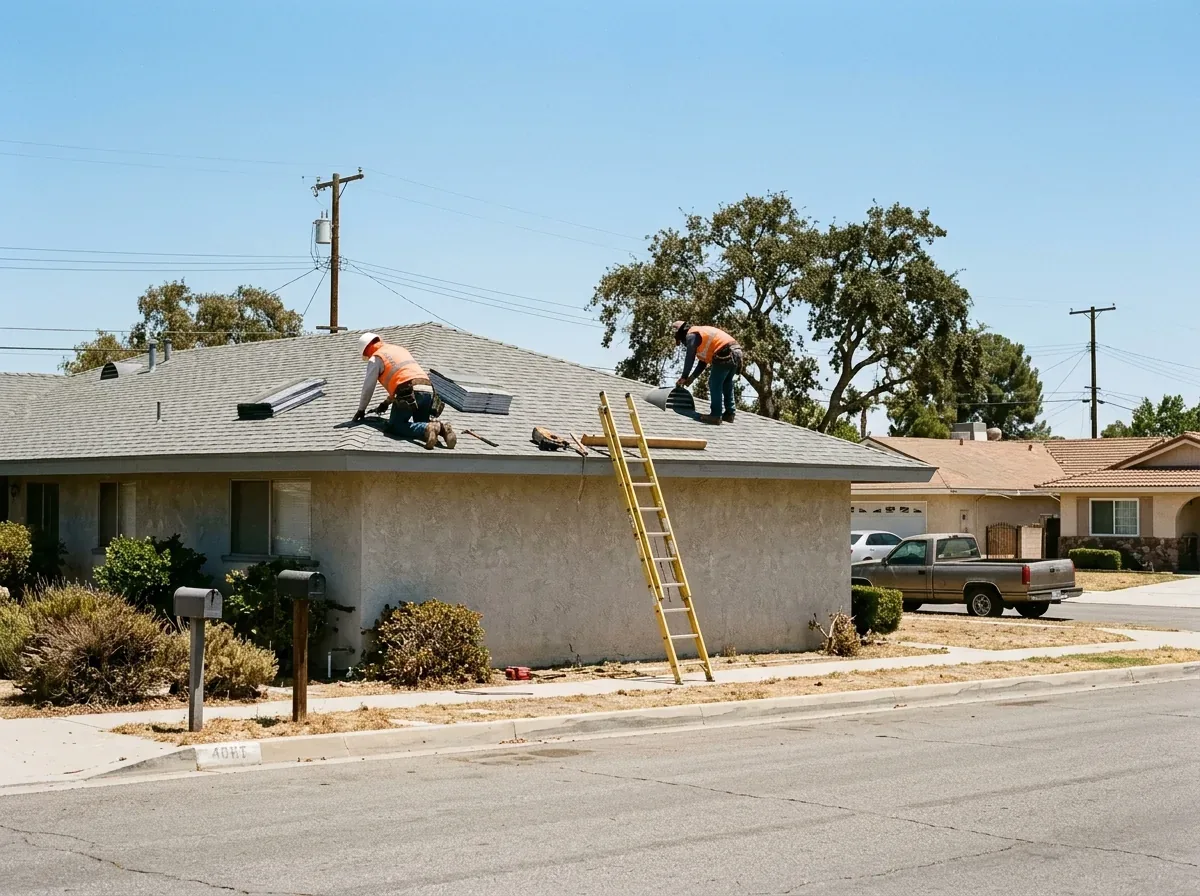
A typical single-story valley house is a two to four day job once it starts: tear-off and dry-in on day one, covering after. Tile takes longer than composition. Weather moves it, and we will not dry-in a roof we cannot finish.
No. The inspection is free, the written quote is free, and there is no obligation attached to either. What we will not do is give you a price at the door without going up.
Free inspection, and a written quote against a written scope. Every slope photographed before and after - the set is yours.